Feeds:
Posts
Comments

Archive for the ‘Food’ Category

This month, y’all. It’s a wild one. I like my new job, but I miss my easy Octobers. Also, the world seems to be a little bit more on fire (proverbial and otherwise) than usual. I’m taking a couple of long weekends and some extra nights off this week, but I need a real break. And I need a breath to process all that’s happening so that I can actually wind down well enough at the end of the day to get more than 3-4 hours of sleep. Don’t know when that’s going to happen.

In the meantime, I am embracing the slightly cooler weather with all my favorite comforts. Soups, easy one-pot meals, and breakfast tacos are on the menu for the week. I’m also enjoying a near-constant intake of warm beverages.

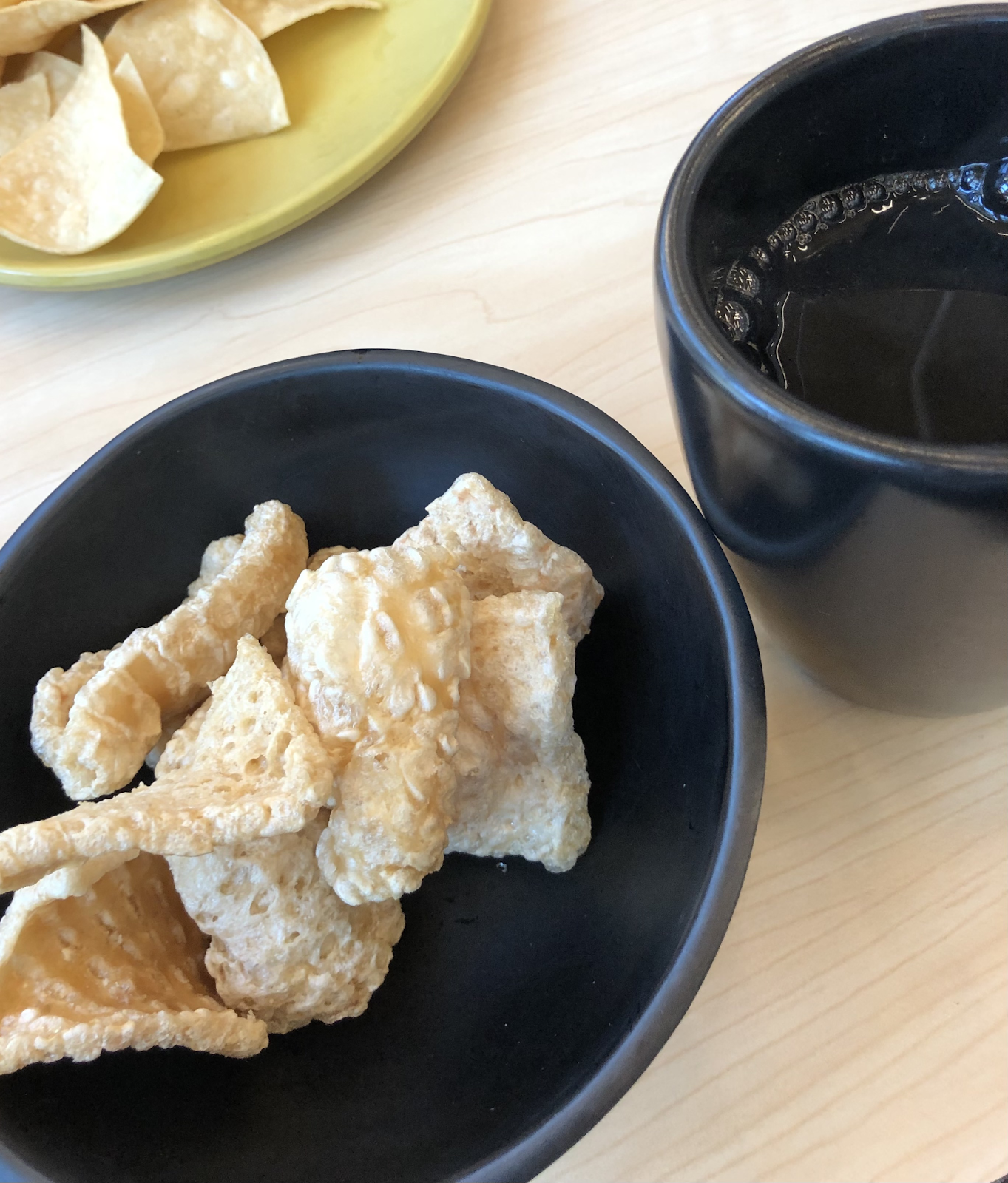
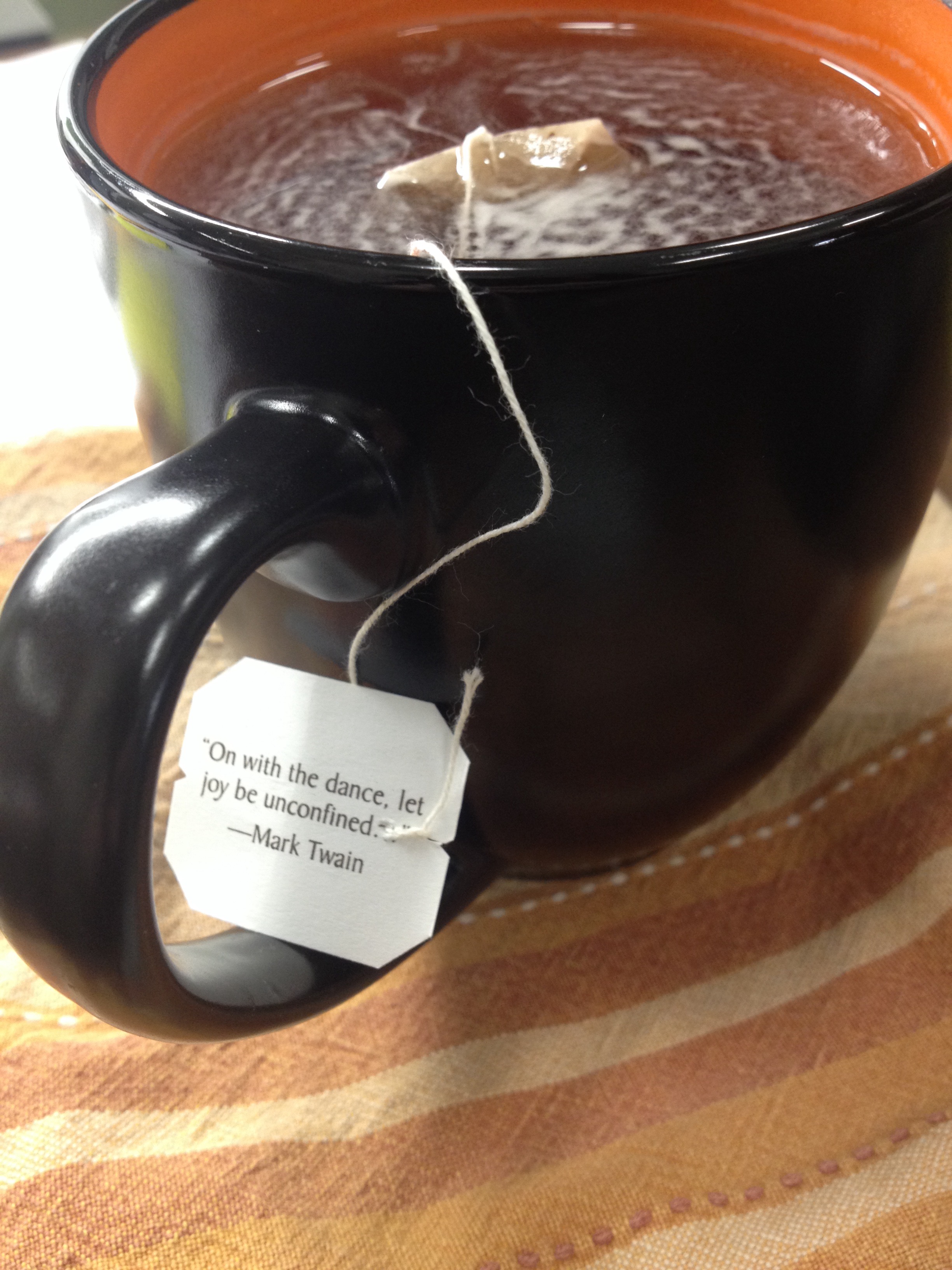
Coffee and tea are my staples. Hot Tang is also a frequent visitor to my repertoire (although clearly, I’ve been doing it wrong by neglecting to add whiskey). I even drank a plain cup of hot water the other day. I love warm beverages.

Coffee brews all day at the farm and has for as long as I can remember. Mom doesn’t like it strong, so the caffeine release is significantly slower (allegedly). Tea was always iced unless you were sick (because Texas). I didn’t start drinking hot tea in earnest until I came to college, but now it’s my usual way to drink tea.

But there was one hot tea drink we had growing up that was an instant comfort to me. I’ve heard it called Russian tea and friendship tea, but to us, it was just spiced tea. Mom often made it around the holidays, and she made a lot of it because we gave it as gifts. She would mix all the ingredients together and fill pint-sized jars with a cross-stitched lid that read “spiced tea” with a picture of a cup beside it (I think – my memory of the picture is hazy at best). She would do the same with hot chocolate mix (I can’t remember if she mixed her own of this as well or just bought it in bulk) with another cute cross-stitched label that read “hot chocolate.”

I can’t seem to find the actual recipe, but I often helped with the mixing (even I could be trusted to stir). I think the proportions of a batch went something like this:

  • 2 cups powdered Tang
  • 2 cups powdered lemonade (always Country Time)
  • 1 cup instant tea (always Lipton)
  • 1 teaspoon ground cloves
  • 1 teaspoon ground cinnamon

Do yourself a favor – mix up a batch of this, pour hot water over a couple of heaping spoons in a cup, stir, and enjoy. Feel free to play around with the proportions. It’s very sweet, but that’s just part of its charm.

I’m on an Irish Breakfast Tea kick right now, but I may have to add these ingredients to my next grocery list so I can have this mix on hand. I may also dig around for the cross-stitch patterns next time I’m home. I know some people who need this mix and a cute jar in their lives.

A cup of Mom’s spiced tea may be just what I need to make this hectic October a little sweeter.

I’m writing about the recipes and foods that feel like home to me this month.

Read Full Post »

Day 22 – Potlucks

I grew up Baptist, so I’ve definitely attended my share (and about 14 other people’s share) of potlucks. Any chance the church folk had to gather and share a meal, they jumped at it. They usually tried to fit it into some sort of holiday or celebration, but if the hostess committee (yes, that’s what it was called) felt we had gone too long without one, we’d see an announcement in the bulletin inviting everyone to bring their favorite dish to share in the next week or two.

I act like it wasn’t glorious, but it was. Casseroles as far as the eye could see, various things made in slow cookers, fried chicken, all manner of potatoes made every way you could imagine, things called “salad” that were definitely more dessert than the healthy side the term implies, and someone always made deviled eggs.

The church I attend now can also bring it with the potluck spread. Casseroles, charcuterie boards, and so many desserts. We have vegan and vegetarian options, and occasionally someone brings beer (because Lutherans). And because many of our congregants have lived in New Mexico at some point, there is usually at least one dish featuring the hatch green chile or some other pepper.

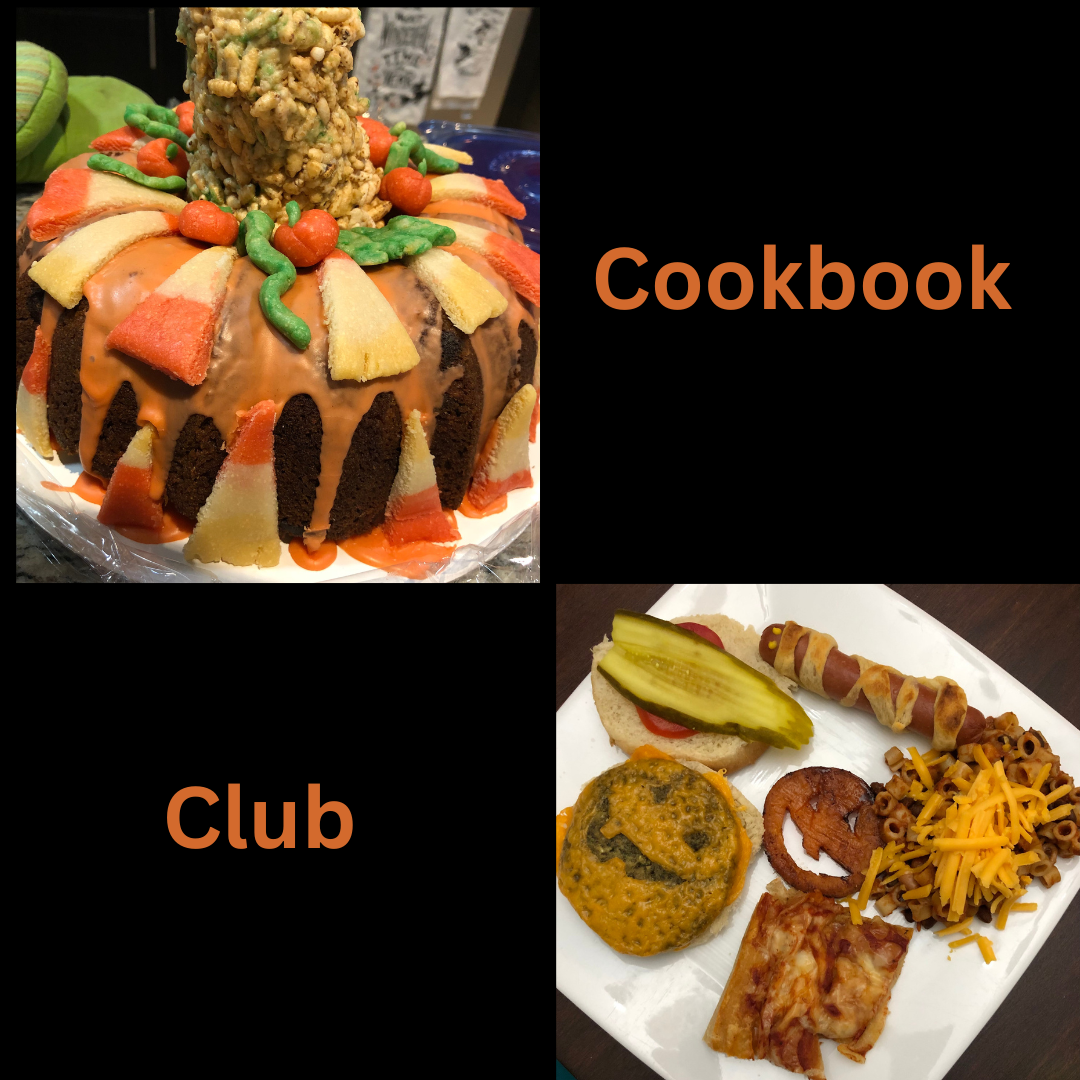
The most common potlucks I attend these days are our monthly cookbook club nights. We often have a theme (and, as one of the members pointed out, the theme is often “orange” because we really, really love cheese). Friday’s theme, for example, was spooky foods. We had:

  • Jack o’lantern sweet potato fries on the side of matching falafel burgers
  • Jack o’lantern pizza
  • Mummy hot dogs
  • Ghoul-ash (my contribution)
  • Pumpkin cake (and yes, the stem was a rice krispie treat)

I learned a lot from the way I grew up. Much of it, I’ve had to unlearn (and then relearn some things…). But one of the things I value the most is the importance of gathering around the table to share a meal and some conversation. Taking the time to eat some good food and have a good talk. Most of the people I know the best and love the most are those who have fed me or have allowed me to feed them. Linking food and friendship – I come by it honest.

I’m writing about how food has shaped my life, my relationships, and my sense of home this month.

Read Full Post »

I participated in Dewey’s Readathon this weekend. Well, sort of participated. I stretched it out into three days because I had extra plans. Also, my month has to go A LOT more smoothly than this one has for me to have the stamina for a 24-hour readathon. So I was gentle with myself but still got a lot of good reading time in.

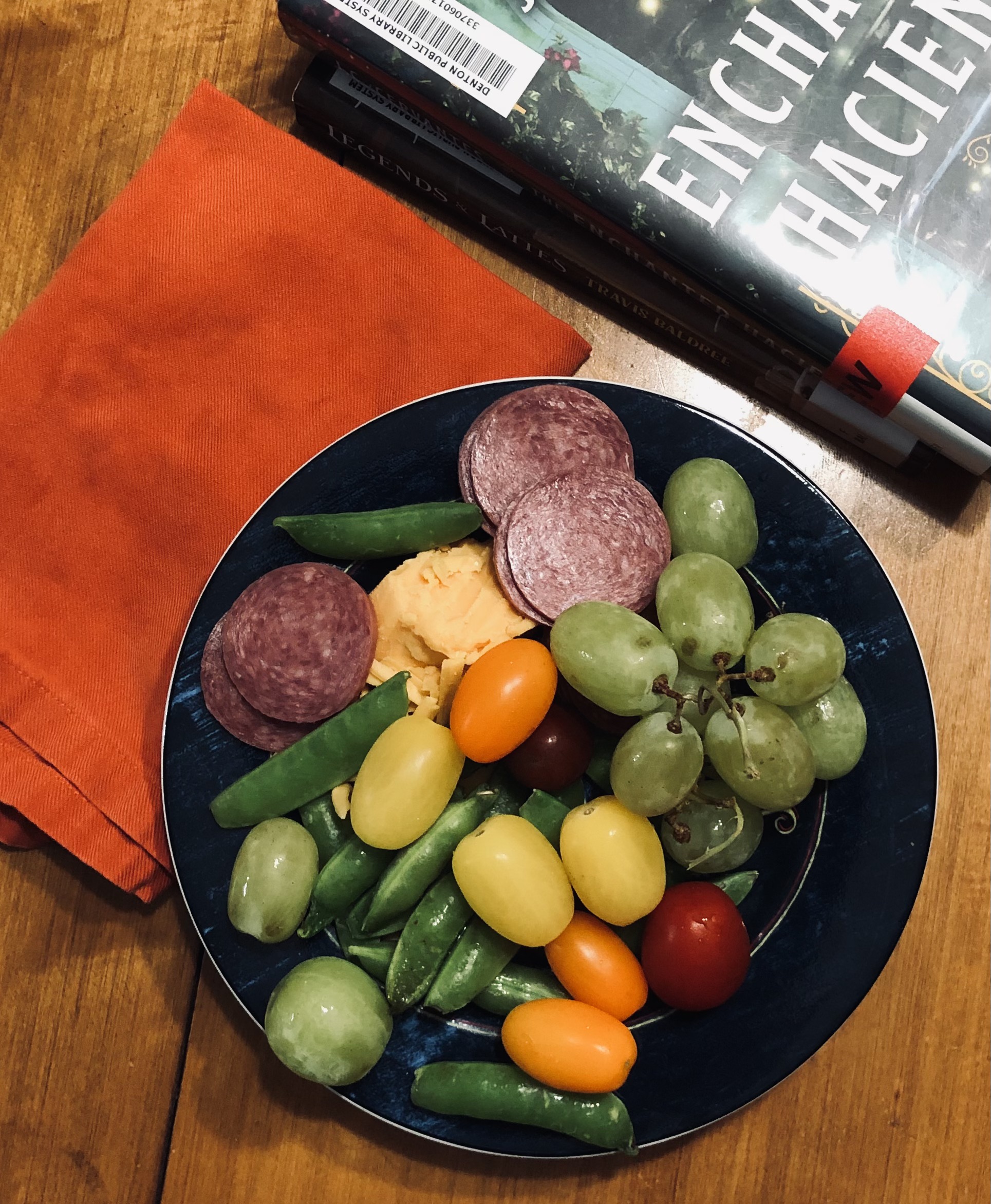
My go-to food when I’m hunkering down for a long reading weekend (whether in conjunction with an online event or on my own) is a series of snack plates that fall under the category of charcuterie. It doesn’t take much prep time. It also can typically be eaten with one hand, leaving the other free for smudge-less page-turning.

I don’t just resort to this type of meal when I’m reading, though. It’s a frequent staple at my place. This habit started long ago.

One of my favorite weekday lunches when I was little was a plate full of cheddar cheese chunks, Vienna sausages, raw veggies such as celery or carrot sticks, and crackers (typically saltines, but every once in a while we got fancy with those buttery Club crackers). Looking back, it’s clear that this was one of Mom’s favorite lunches for us, too, because we had it a lot. She was usually in the middle of a cleaning project or getting ready for afternoon errands or planning dinner, so it made sense to find something quick to put on the table. As a bonus, we could feed it to ourselves with relatively little potential mess.

My charcuterie tastes have matured somewhat (I now spring for the salami or prosciutto, and there may not be crackers or bread at all involved), but it’s still one of my favorite meals. It’s easy, simple, and delicious.

And it always reminds me of my childhood.

I’m writing about the foods that remind me of home this month.

Read Full Post »

I love having a free day. I was off work today, and my car is fixed, and I had cookbook club tonight, and it was just a great day.

Here are some foodie things I enjoyed reading this week.

  • And we’re right out of the gate with some controversy, but I really need to get something off my chest. Sweet potato pie is superior to pumpkin pie. Discuss if you must, but I said what I said.
  • We had a whole discussion about favorite holiday foods and favorite sides at staff. There were divisions, alliances were formed, shots almost fired. It was glorious. Best staff meeting ever. In related news, I need cranberry salsa in my life. 
  • When I find a foodie book I really love, I often re-read it. In fact, of all the genres, foodie memoir or fiction is what I’m most likely to re-read. We are discussing Lessons in Chemistry in a book club at work on Monday, so I’m listening to it again this weekend. It may be my favorite book I’ve read this year. It’s so good. I’m also re-reading Love, Loss, and What We Ate by Padma Lakshmi, and I love it just as much as I did the first time. The stories people tell about food, its place in their lives, and its impact on culture are meaningful to me. It’s one of my favorite ways to get to know someone.
  • The Modern Proper: Simple Dinners for Every Day by Holly Erickson and Natalie Mortimer – I adored this cookbook from the beginning when one of the authors was talking about her grandma teaching her the “proper” way to dice. What little culinary education I gleaned during childhood was learning the proper way (i.e., Mom’s way) to do something. My mom and I once had an argument because I was adding water to the pie crust recipe wrong (my point was that I had seen several bakers doing it a different way and their pies turned out ok…to which she responded “But they weren’t baking in my kitchen.” Welp, they sure weren’t. She had me there.). Conversations like this one were why, while most of my formative memories of food stem from the place I grew up, most of my actual cooking skills were developed when I had a kitchen of my own. Like the authors of this cookbook, I have great memories of observing Mom, Aunt Gale, MeMaw, and (later in adulthood) Dad in the kitchen, but my workable knowledge is the result of experimenting and creating my own sense of the proper ways to do things. It’s how I learned that the way I add water to a pie crust is just fine and also that if you replace half the water with vodka (or gin), you get a flakier crust (the dough puffs as the alcohol evaporates). Sometimes learning new ways to do things is good.
  • And this has absolutely nothing to do with food, but it has everything to do with home, and also I love Jenny Lawson, and maybe someone here might benefit from reading it, and plus…I do what I want. Actually, looking at the drawing, I can picture myself curled up in a blanket, drinking something warm and eating something comforting in that little house. So it IS sort of food-related after all (if you really want it to be). Read all the way to my favorite line at the end – “Sometimes the mistakes are beautiful. Just like you.”

I hope you have a wonderful weekend, and I hope you’re enjoying this series on the food that reminds me of home this month!

Read Full Post »

As integral to our family life as food was, I didn’t really learn to cook a lot of things growing up. Mom had a system, and it seemed to stress her out to have us in there when she was cooking.

But it’s hard to mess up a salad. We didn’t need a lot of direction (other than the main one of chopping everything into small bits so that a long-ass piece of lettuce doesn’t get dressing all over your face when you’re trying to eat it), so once my sister and I got old enough to wield a knife with minimal risk of peril, making a salad was our job.

I don’t remember a time growing up when there wasn’t a salad in the fridge, and that faithful constant remains true today at the farm. We made one every night at supper with enough left over for lunch or for a snack the next day. To this day, I count salad among my snack food options.

To this day, I also feel compelled to visit the salad bar if it’s available wherever I eat. I don’t always give in, but I feel the tug.

I do not often make a salad at home, though. I have done that enough to last a lifetime. I will buy the bagged salads with the ingredients already chopped and the toppings already prepared (Taylor Farms kits are my faves, particularly the Everything, Asiago Kale, Sweet Kale, and Thai Chili Mango kits) and make a whole meal out of them, but I rarely buy the ingredients alone.

But occasionally, I get a nostalgic urge for a basic green salad and the compulsion to chop it up myself. When that happens, here are my favorite ingredients:

  • Leafy greens of some sort (usually some type of lettuce, but I also love arugula and kale)
  • Radishes
  • Snap peas
  • Carrots
  • Whole cherry or grape tomatoes (I do not like tomato juice dripping freely throughout my salad)
  • Black or Kalamata olives
  • Dried cranberries or apricots
  • Some kind of cheese (my typical preferences are a sharp, hard variety such as cheddar, feta, or goat cheese)
  • A little bit of dressing (specifically French, Russian, Catalina, honey mustard, or Caesar)

What’s in your favorite salad?

I’m talking about home and how it has influenced my food choices this month.

Read Full Post »

[The makers of this cereal saw me coming. And it did not disappoint.]

Growing up, we mostly ate sensible, real food and balanced meals. We regularly ate dinner together as a family, especially when we were young. There was a main dish (typically meat or some type of casserole), a few sides, some type of bread, and usually something for dessert.

For breakfast most days, though, we were on our own while everyone was getting themselves ready, and we needed something simple we could make ourselves. So we almost always had a few boxes of cereal in the house. There are several that hold a bit of nostalgia for me:

  • Cheerios
  • Froot Loops
  • Corn Pops (known as their original name from Mom’s childhood, Sugar Pops, at our house)
  • Rice Krispies (and occasionally, Cocoa Krispies)
  • Chex (rice, corn, or wheat, depending on what was on sale)
  • Grape Nuts (neither grapes nor nuts but a fantastic topping for ice cream)

We also frequently had snack cakes at our house. They were easy sweet treats that no one had to take the time to make. Mom often included them in our lunch boxes. Is it necessary to provide a dessert in a child’s lunch box? No. But when you are raised (as she was) to consider dessert an essential part of a whole meal, well, old habits die hard. We had Zebra Cakes (although they were just called Snak Cakes when we were little) and the Oatmeal Creme Pies and Honey Buns and Swiss Cake Rolls (my personal favorite). Little Debbie’s competitor, Hostess, also made some of our favorites – Twinkies and Ding Dongs (and to a lesser extent, the regular cupcakes).

Today, I try not to purchase snack cakes very often. I will eat too many at once and get that wild feeling behind my eyes that happens when I eat too much sugar. Ditto for sugary cereals (although I usually have some Cheerios or Chex or Kix around for nights when I don’t want to make anything).

But when I saw the Swiss Cake Roll Cereal in the grocery store last week, I just couldn’t resist. Good going, marketing team. Let me introduce you to your target consumer (me). I tried to lower my standards before trying them. I mean, there was a good chance they were not going to be great. Sometimes these things don’t go well at all.

They tasted like Cocoa Krispies. And yes, I drank the faux chocolate milk the cereal made right out of the bowl at the end, just like I did when I was little (including spilling it on my shirt).

Thanks for the memories, Little Debbie and Kellogg’s. 10/10, will purchase again.

I’m waxing nostalgic about food, family, and home this month.

Read Full Post »

Day 17 – Spice of Life

In our house on the farm, all the spices were in the cabinet closest to the stove. You open up the door, and there are a couple of Lazy Susans there, laden with every herb, spice, and flavor enhancer you could ever want.

I used to keep all my spices in a cabinet, too, but then somewhere online (probably Pinterest), I saw a picture of a spice drawer, and my brain practically sparkled. So now I have a drawer that I can open and see everything I typically use right there. So convenient! I keep way more than this on hand, and my own blends don’t fit, so they’re still in the cabinet. But the spice drawer is one of the best things I’ve done to my kitchen in a long time.

I add some type of seasoning to everything I make (beyond salt and pepper). I started building my own herb and spice collection when I moved into my first apartment. We had a friend who made us everything bagels by just adding random things from our spice cabinet. It’s my favorite way to make a bagel.

But my experimental tendencies started long before that. Mom usually stuck to whatever the food or recipe traditionally called for, but Dad likes playing around with different flavor profiles. Almost every conversation we have eventually gravitates toward food and the new things we’re trying.

Even when I’m shopping, I keep an eye out for spice mixes and marinades he (or my brother-in-law) might like. For my own usage, I usually like to make my own because most pre-made spice mixes are too salty for my taste. I leave out salt and pepper because I add those to taste depending on whether I’m cooking for myself – little to no salt and lots of pepper – or for others – a reasonable bit of both (or if i’m cooking for my friend Steph, no pepper at all anywhere near the dish).  There are several different blends I mix and keep on hand, including…

  • Italian – oregano, basil, thyme, garlic powder, rosemary
  • Spicy Italian – same as above but with cayenne pepper
  • Roasted veggies – garlic powder, onion powder, chili powder, cumin, cinnamon, basil, coriander
  • Taco seasoning – chili powder, onion flakes, paprika, cumin, cayenne, oregano

I use curry powder and garam masala pretty often, too, but I just add a little kick (i.e., chili powder or cayenne) to blends that I get at the farmer’s market or grocery store and call it a day. One of these days, I’m going to get my hands on my own copy of Padma Lakschmi’s Encyclopedia of Spices and Herbs, though, and…I may have to clear out another drawer.

What are your favorite herb/spice blends?

I’m writing about food and home and how they connect this month.

Read Full Post »

Day 16 – Soup Season

Yesterday, I talked a little about making sauces, but what I didn’t tell you is that the way I discovered how easy it was to make your own sauce was by pouring my favorite roasted tomato soup over some pasta because I didn’t want to go to the store to get spaghetti sauce. What I expected to be an it’ll-do-in-a-pinch experience turned out to be one of my favorite a-ha moments to date.

Soup season is a bit of a misnomer with me. All seasons can be soup seasons if you try hard enough. When the weather turns even the slightest hint of chilly (I’ll even take a pleasant, less-hot breeze in July), I make soup. It is easily one of my top five favorite foods. I eat it all year long. I’ve even been known to turn the fan higher or the a/c down so that I can eat it comfortably. Even if it’s not soup weather outside, I can make it soup weather in my apartment.

I often eat it as a side, pairing it with a sandwich or a hearty salad. But the best way to eat soup is by sipping it straight from a cup, only veering from this method to dip a piece of crusty bread into it. No utensils required.

Of course, this only works if the soup is mostly broth or pureed. If you leave big chunks like you see pictured above in it, trying to drink it from a cup is sure to be messy. However, take your trusty immersion blender to that concoction, and soon you have a perfectly sippable and dippable soup.

What I love most about making soup is that it’s difficult to mess it up. I mean, you can – I certainly have – but you really have to try hard to produce a soup that’s just inedible. But most of the time, I can create a warm, wonderful bowl of happiness from whatever I have in my fridge, freezer, and pantry.

Since I don’t always have the same ingredients on hand, it is possible I will make the same soup several different ways. For example, one of my favorites is split pea soup, but I don’t have a set list of ingredients I need (other than split peas, of course) to make it happen. Other than the peas themselves, my last few versions had little in common. But they were all good.

Today, instead of a recipe that tells you one way to do it, I’m going to give you a roadmap for making your own unique soup. Play around with it, and see what you come up with!

Basic steps:

  1. Read through these steps and take inventory of what you have. Once you have decided what you want to put in your soup, chop/dice/mince everything so that it’s ready to be added when its turn comes.
  2. Saute your aromatics – onions, garlic, fennel, celery, bell peppers (or any type of peppers, for that matter). I usually use onions, garlic, and one additional aromatic.
  3. Add your vegetables – carrots, potatoes, tomatoes, corn, any sort of squash, etc. What you add in this step mostly depends on the type of soup you have in mind, but sometimes it’s fun to just throw in whatever is taking up space in your crisper and let whatever happens happen. Let them soften a little before you move on.
  4. Pour in your soup base – some type of stock (veggie, mushroom, beef, chicken, etc.), tomato sauce, or just water. I often dissolve an onion soup packet in water and use that. You need enough to fully cover everything else. Add water if it looks too thick at any point.
  5. Add seasonings – literally anything you want. Oregano, basil, parsley, bay leaves (remove it before eating) – all of these are standard soup herbs. You are certainly not limited to them, though. I have been on a garam masala kick lately. Highly recommend. This is also the time to add salt (to taste).
  6. Bring to a boil, reduce heat, and simmer until you just can’t take it anymore and have to have a bowl.

Optional steps:

  • Add beans – during step 4. If canned, rinse before adding; don’t just dump in from the can. If dry, you’re going to need to add more liquid and keep an eye on it while they cook (for a few hours) so you can add more water as needed. Ditto for split peas and lentils, although they won’t take as long to cook.
  • Add carbs – during step 6. After you have a good boil going, slip in some pasta or rice for a heartier soup (you’ll need more liquid if you’re planning on doing this). Follow package directions and cook until done.
  • Add meat – after step 2 (if raw – cook fully before going forward) or after step 3 (if already cooked – great way to use leftover roast, btw).
  • Add dairy – during step 6 after you reduce heat and reach a simmer point – really, about 5-10 minutes before serving, just enough to warm and incorporate it. Cream is the traditional favorite, but I’ve used milk, evaporated milk, plain Greek yogurt, and sour cream. My favorite thing to add at this stage is not dairy at all – coconut milk, which is especially good with warm spice blends, such as curry.

I hope you have fun experimenting. I’d love to hear about what you come up with.

I’m writing about food that makes me feel at home this month.

Read Full Post »

Day 15 – Baking Season

I’m pretty sure my mom baked all year long when we were growing up. We always had muffins we could warm up from the freezer for a quick breakfast, and I can’t imagine that we went too many weeks without biscuits or banana bread or something. But I just cannot fathom heating my whole apartment up by turning on the oven when the outside temps reach the upper 80s and above. I cannot take the heat; ergo, I stay out of the kitchen. I mean, I stick around long enough to throw some things in the Instapot or slow cooker or do a quick stir fry, but otherwise, for about half the year, my diet is mostly sandwiches, salads, and charcuterie (whetting your appetite for a future post here).

One of my favorite smells, however, is something baking in the oven. I love that first moment of walking into a bakery. One of the weird, lovely things about living in an apartment is that I get to smell what my neighbors bake, too. It’s a very soothing, very homey aroma, and I adore it.

So by the time it gets cool enough, I usually have a list of the things I’m excited to bake. One of the first things that goes in my oven every year is beer bread.

You can use a mix to make beer bread, but you don’t really need it. It’s just as easy from scratch. All the mix contains is self-rising flour and sugar, and I prefer my beer bread without the sugar anyway. So you just mix 3 cups of self-rising flour with a beer, plop it into a standard 9×5 nonstick loaf pan (or six mini-bundts, if you want to be cute about it, which I absolutely do), pour a ridiculous amount of melted butter over the top, and bake at 375 degrees for 30-40 minutes.

“But Suzanne,” you say. “I don’t keep self-rising flour in my pantry.” Well, if you have some basic baking ingredients in your cupboard (and if you at least keep all-purpose flour, you probably do), you can amend this easily. Just take regular flour and mix in 1 1/2 teaspoons of baking powder and 1/4 teaspoon of salt for each cup of flour. Voila – self-rising flour.

It’s also a good idea to sift the flour before mixing in the beer. This helps you avoid a dense-biscuit situation. I faux-sift, and it turns out great. Instead of scooping the measuring cup, packing the flour in, leveling it, and then sifting it, I just spoon it into the cup bit by bit until it’s full and don’t pack it. I never understood packing the flour just to turn around and immediately unpack it by sifting (if you do understand and want to share in the comments, I would love to learn that). But the spoon method has never failed me, so that’s probably what I’m going to keep doing.

Without further ado – here’s an easy way to make your home smell delicious.

Ingredients

  • 1 stick salted butter (maybe – see note at the end)
  • 3 cups self-rising flour
  • 1 beer (I typically use some sort of wheat ale, but feel free to experiment with your favorite)

Steps

  1. Preheat oven to 375.
  2. Melt the butter. Brush the pan you’re baking in with part of it. Yes, I do this even with my non-stick pans so that the texture on the bottom of the bread comes out similar to the texture on the top. Set the rest of the butter aside.
  3. In a bowl, mix the flour and beer.
  4. Transfer the dough to the pan, leaving at least an inch at the top for it to rise.
  5. Pour the remaining butter over the top.
  6. Bake for 30-40 minutes or until a knife inserted in the center comes out clean (albeit slightly buttered).

Most beer bread recipes will not call for this much butter, but I do it this way because 1) I love butter and 2) I can just eat the bread as is without wanting to add anything to it. I also like the almost-crunch it gives to the outside when you surround the loaf with it before baking. If you prefer a more traditional bread texture, though, simply use unsalted butter, reduce the amount to half a stick, and add the melted butter to the flour and beer when you mix them together, saving a little to brush over the top for browning purposes. In this case, you can also skip greasing the pan (assuming your pan is non-stick – otherwise definitely grease the pan).

One might argue that you truly only need half a stick of butter even if you do pour it over the top. It will still give you that nice crunch. My only concern is…why on earth would you deny yourself extra butter?

What is your favorite thing to bake?

I’m talking about all the delicious things that remind me of home this month.

Read Full Post »

Day 14 – Sauces

My family has an interesting quirk in that, while so many of us grow many of our own vegetables (or trade with neighbors who do), we often resort to canned or jarred sauces. For example, most of the sauce for spaghetti we ate when I was growing up was premade and shelf-stable. Given how many other things we made from scratch, this gave me the idea that sauce was difficult or time-consuming to make.

I was so happy when I figured out I was mistaken.

These days, I make most of my own sauces. Some of them are quick; some of them are slow-cooked and 100% worth the time and effort.

A good tomato sauce can be either.

When I have the time, my favorite way to make a basic marinara is with a bunch of fresh tomatoes, peeled and roasted. Roast some onions, garlic, and a little red pepper. I add some seasonings (see below regarding my own preferences), and then slow-cook it on low for 3-4 hours. So good.

The quicker version is also no slouch, and it only takes about 10-15 minutes.

Ingredients:

  • Olive oil
  • As much garlic as you want
  • 1 yellow onion, chopped
  • 1 large (28 oz) can crushed tomatoes (the fire-roasted kind if they’re in stock)
  • Italian seasoning blend, to taste [you can buy this if you want, but if you have a good herb/spice collection, it’s just as easy to mix your own. Mine contains oregano, basil, thyme, parsley, and red pepper flakes.]
  • A couple of shakes of cayenne pepper (probably about 2 teaspoons), or to taste
  • Salt and pepper, to taste
  • Fresh basil or parsley to serve (optional)

Steps:

  1. Heat olive oil over medium heat.
  2. Saute the garlic and onion together until a little soft (about 3 minutes).
  3. Pour in the tomatoes and let it warm up to a simmer.
  4. Add seasonings. You can do what you want, but my advice is don’t be stingy. Mine has a good layer of green across the top of the sauce before I stir it in.
  5. Add cayenne to give it a little kick. If you’re feeding some sensitive mouths, I recommend starting with a little (1/2 teaspoon), stirring, simmering, and then testing to see if you want to add more. You can, of course, leave it out altogether if you want.
  6. Add salt and pepper to taste.
  7. After the tomatoes have been simmering with the spices for about 5 minutes, it is ready to serve. Use it to top pasta or any other time you need a tomato sauce. It’s a particularly delicious sauce to use when you’re making Eggs in Purgatory (lean toward more cayenne) or Shakshuka (add paprika and roasted red peppers).

What’s your favorite type of sauce to make?

I’m talking about food and family and all the related quirks this month.

Read Full Post »

« Newer Posts - Older Posts »